19, May 2025
Tariffs, Uncertainty, and the Impact on Growth
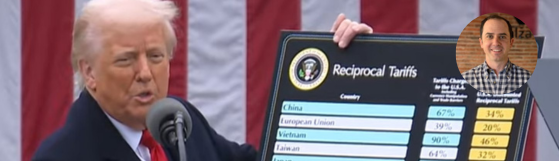
Since the beginning of his second term on January 20, 2025, U.S. President Donald Trump has renewed his focus on international tariff rules, particularly those governing trade between the United States and the rest of the world. Although debate over tariffs is not new, the aggressive communication strategy behind this latest wave has affected financial assets worldwide and reignited discussion about the true costs of economic protectionism.
The imposition of tariffs distorts trade, reduces global economic efficiency, and limits consumers’ access to goods and services. Tariffs also hurt competitiveness, slow innovation, and interfere with the natural and efficient functioning of markets.
These measures also trigger indirect consequences, such as increased macroeconomic uncertainty. Companies faced with a volatile environment and unpredictable policies tend to delay investment and hiring decisions. This uncertainty has reached financial markets, which have responded with heightened volatility. Central banks are not immune to these developments—they have warned of the impact on economic growth and have held off on making changes to their monetary policy paths.
An optimistic ending to this story envisions a world that emerges from the tariff debate initiated by President Trump with fewer trade barriers and lower transaction costs between countries. In this scenario, after the initial shock of tariff hikes subsides, global leaders focus on creating new conditions to enhance global trade, strengthen exchange rules, and lay the foundation for broad-based, robust, and sustained economic growth. Under this vision, the world looks ahead to coming decades shaped by a stable financial system, low and predictable interest rates, respected and reliable institutions, and an overall environment that fosters innovation and growth.
Let’s hope—for everyone’s sake—that this visión is the story that unfolds.
Fernando Zavala -CoFounder Alza