18, February 2026
Metals Rally: Mining Suppliers on the Trail of US$100 Billion
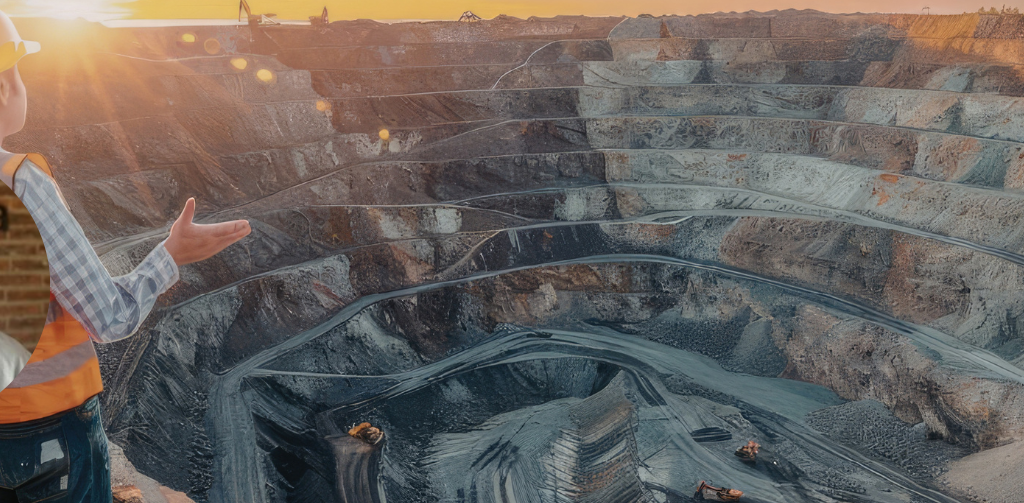
The metals rally has left the world astonished in recent months. With copper holding above US$6.00/lb, gold breaking historic barriers above US$5,000 per ounce, and silver experiencing explosive growth of more than 270% YoY, reaching US$120 per ounce, the global attraction toward the industry is undeniable. Over the past 12 months, metals have consolidated themselves as one of the market’s best-performing assets, and mining companies have been the major beneficiaries.
However, to understand the real impact of this cycle, we must bring the focus closer to home. Chile is not merely a spectator; it is the main protagonist. According to figures compiled by the Chilean Mining Council, the sector accounts for 11.7% of the country’s GDP and represents a powerful 57% of exports. The health of this industry is, in essence, the health of the Chilean economy. But the real news lies not in what we already export, but in what we are about to build.
The projections presented in Cochilco’s latest investment portfolio report for the 2025–2034 period are revealing: the investment pipeline has reached its highest level in more than a decade, totaling US$104.549 billion. Of this figure, 81% corresponds to Brownfield initiatives, leaving only 19% allocated to new projects.
What does this mean for the market? It means we are not simply “digging holes” in the desert; we are performing open-heart surgery on operating mining sites.
The predominance of Brownfield projects dramatically increases technical complexity and, consequently, dependence on specialized third parties. By intervening in active mines to extend their useful life, demand shifts aggressively toward detailed engineering firms, specialized construction companies, major maintenance providers, and equipment rental services, among others. It is impossible to execute an investment of this magnitude without an army of expert contractors capable of guaranteeing operational continuity.
I recently recalled a conversation with a veteran industry figure who compared this phenomenon with remarkable precision. He referenced the logic of the 19th-century “Gold Rush” in China and California. While thousands of adventurers risked everything pursuing the dream vein, blinded by the shine of the metal, history proved that the most solid and consistent fortunes were not made by the prospectors, but by those who supplied them: the people selling picks, shovels, and the equipment needed to dig.
That analogy perfectly captures today’s Chile.
Today, the “rush” is not only being experienced by the major mining operators. The real boom lies within the ecosystem that Chile’s Undersecretariat for International Economic Relations (SUBREI) estimates at more than 8,400 supplier companies. They are the providers of today’s “picks and shovels”: everything from flotation technology to maintenance services.
With projected investments exceeding US$100 billion, the strategic conclusion is clear: value lies not only in extracting minerals, but in becoming the indispensable strategic partner that makes extraction possible. Over the next decade, the mining supplier industry will represent an attractive investment opportunity, and the players offering the most essential solutions will be the ones that stand out in terms of results.
José Tomás Silva Johnson