29, May 2025
Modernizing Financial Reporting: A Necessary Step
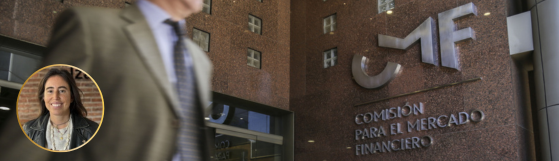
As part of its effort to move toward more efficient, modern, and secure oversight, Chile’s Financial Market Commission (CMF) has introduced a major change in how it interacts with the entities under its supervision: the implementation of a new official channel for the submission and receipt of information. This shift is governed by General Rule (NCG) No. 515, published in July 2024, which marks a turning point in Chile’s regulatory ecosystem.
NCG No. 515 mandates that all supervised entities must use the new digital communication platform available on the CMF’s institutional website, replacing the traditional Online Information Submission System (SEIL) mailbox. The rule also outlines the system’s operational features, including robust authentication mechanisms such as ClaveÚnica and procedures that ensure the traceability and confidentiality of communications.
This change goes beyond technological modernization—it redefines the very concept of regulatory reporting. The new system will be rolled out gradually, with a transition period from May to October 2025, and a specific implementation schedule for each type of supervised entity. During this period, both the old and new platforms will operate concurrently, allowing for a smoother adaptation and adequate training to support an orderly migration.
From a critical standpoint, this reform deserves positive recognition. The new platform significantly improves the security, timeliness, and efficiency of the supervisory process. It also reduces operational and compliance risks associated with outdated systems. Moreover, it fosters a more transparent and dynamic relationship between the regulator and regulated entities—an essential component in strengthening Chile’s financial market.
That said, this transition is not without its challenges. Many institutions—particularly smaller ones—will need to undergo both technological and cultural adjustments, which requires proactive support from the CMF. The success of this transformation will depend not only on the strength of the regulation itself but also on the quality of its implementation and the ongoing dialogue between supervisors and those they oversee.
In conclusion, this new regulation represents a decisive step toward a more modern and forward-looking supervisory framework. It is a necessary and timely initiative aligned with international best practices—one that will enhance the integrity of Chile’s financial system. The challenge now lies in implementing it effectively, ensuring that no participant is left behind.
María Victoria Vila Parker
Head of Compliance and Internal Control
Alza Administradora General de Fondos S.A.